
Delhi High Court Acts on Unauthorised Court Recordings
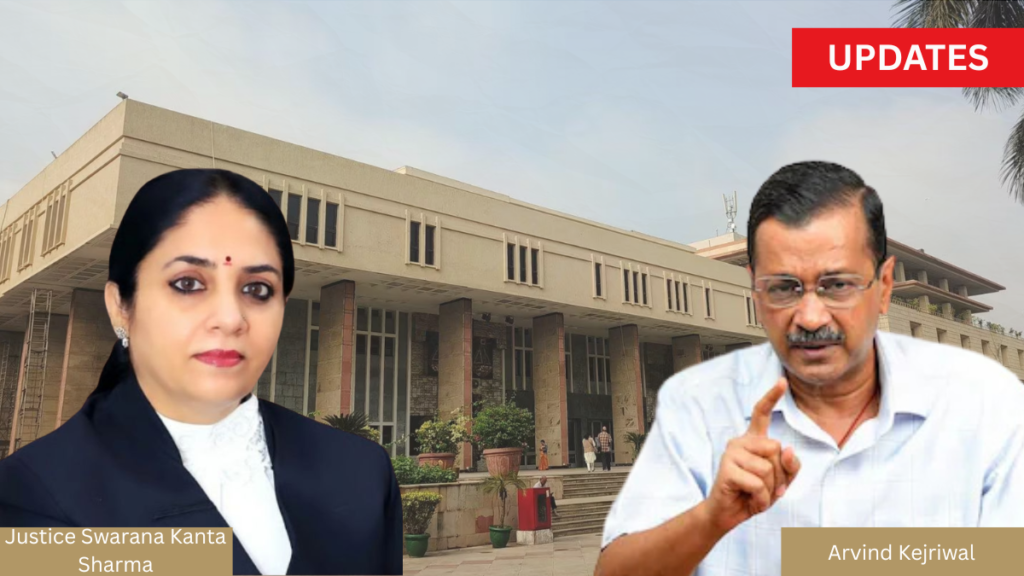
The Delhi High Court orders X to remove Kejriwal court videos after users shared unauthorised recordings of the court proceedings on social media.
During the hearing of Arvind Kejriwal’s recusal application, the Court directed X to take down the videos and asked the Ministry of Electronics and Information Technology to respond.
Court Says Social Media Uploads Violate VC Rules
The Court stated, “such recordings violate VC Rules and cannot be permitted on social media.”
The bench noted that users uploaded videos of courtroom proceedings in violation of the video conferencing rules. It said social media platforms cannot allow such content.
Delhi High Court Orders X to Remove Kejriwal Court Videos Again
The matter arose after videos showed Arvind Kejriwal arguing his recusal plea before Justice Swarana Kanta Sharma.
The Delhi High Court orders X to remove Kejriwal court videos to stop further circulation of unauthorised footage online.
Further Directions by the Court
The Court also emphasised the need to maintain the dignity and confidentiality of judicial proceedings conducted through video conferencing. It noted that unauthorised sharing of hearing clips can affect the sanctity of court processes and mislead the public when presented without full context.
The issue arose during the hearing of Arvind Kejriwal’s recusal application in the liquor policy case. The bench made it clear that court proceedings cannot be recorded or circulated on social media without permission.
This direction reinforces the importance of following the prescribed VC Rules during virtual hearings. Legal observers believe the order may set a precedent for handling similar violations involving court footage on digital platforms.
The matter will continue before the Delhi High Court as the concerned authorities and platform respond to the Court’s directions.
The video takedown direction came during the hearing, following the earlier order on Kejriwal’s recusal plea.
FAQs
The Delhi High Court ordered the removal because unauthorised recording, uploading, and sharing of court proceedings is prohibited under the High Court rules. The videos related to Arvind Kejriwal’s April 13 hearing were widely circulated on social media without permission.
Generally, court proceedings cannot be recorded or shared without permission, especially where specific High Court rules prohibit unauthorised publication of hearings. Violating these rules may invite takedown orders and even contempt-related proceedings.
Courts may direct platforms like X, YouTube, and Meta to remove the content, issue notices to those who uploaded or shared the videos, and examine whether further contempt action is required.